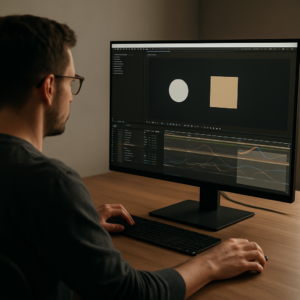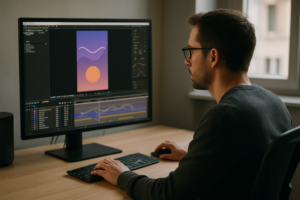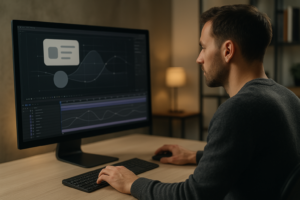

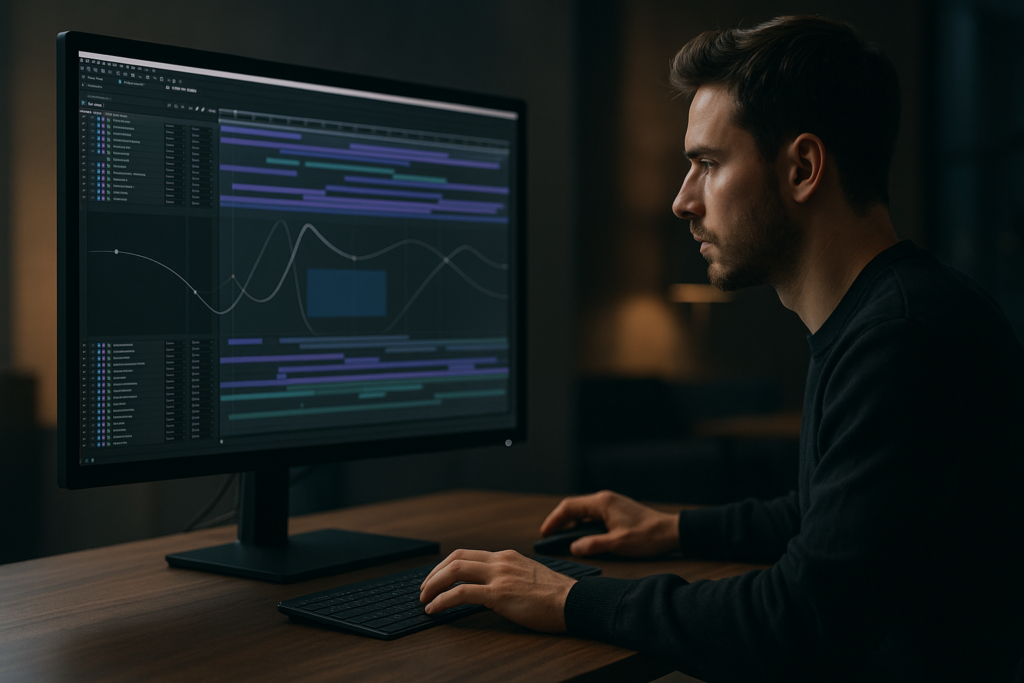
Cinematic brand motion design blends storytelling, design systems, and polished animation into one cohesive language for brands. When you work in After Effects, you need workflows that deliver premium quality without slowing production. This guide focuses on practical techniques you can apply to any high-end project, from social teasers to hero brand films.Explore motion templates
What Cinematic Brand Motion Design Really Means
Cinematic brand motion design is the discipline of giving a brand a moving, on-screen language that feels like a film: intentional framing, controlled pacing, atmospheric lighting, and emotionally driven timing. Instead of random transitions and flashy presets, every movement serves a purpose and reflects the brand voice.
For editors and motion designers in After Effects, this means going beyond logo reveals. You are building a motion system that can be reused across campaigns, platforms, and deliverables while still feeling premium and cinematic.
What it is
Cinematic brand motion design takes core brand elements—logo, palette, typography, photography, product UI—and animates them using film-inspired principles:
- Carefully staged compositions with depth and focus
- Refined timing using easing, anticipation, and follow-through
- Layered atmospherics like light leaks, glows, blur, and parallax
- Sound-aware pacing that supports music and SFX
Why it matters
Well-executed motion design makes a brand feel expensive, considered, and consistent. It turns simple UI captures, product shots, or lyrics into a premium experience that holds attention. For content-heavy clients—tech, finance, beauty, or entertainment—a strong motion language can connect everything from app widgets to hero launch films.
Who it is for
This approach is ideal for:
- Editors who cut brand films, trailers, and premium social spots in After Effects
- Motion designers building ongoing systems for agencies or in-house teams
- Creators producing high-end YouTube visuals, lyric videos, or product edits
Whether you are polishing a UI widget, animating lyrics, or crafting cinematic intros, a clear understanding of cinematic brand motion design gives you a repeatable, high-end framework rather than one-off tricks.
Defining a Luxury Animation Workflow in After Effects
The term luxury animation workflow describes how you structure your projects so every asset, from keyframes to color controls, contributes to a premium result without wasting time. It is not about heavy VFX; it is about clean systems, smart re-use, and details that feel expensive.
Key traits of a luxury animation workflow
- Predictable structure: consistent comps for openers, lower thirds, transitions, and end cards
- Smart controllers: global color, typography, and spacing controls that update multiple scenes
- Optimized performance: precomps, proxies, and light setups that stay responsive even on complex edits
- Reusable modules: animated components that can be dropped into any timeline
Subtypes of cinematic brand motion work
Within cinematic brand motion design, you will likely touch several content types:
- UI and product widgets – animated UI elements and dashboards, like a premium fintech-style dashboard animation
- Entertainment visuals – lyric videos, music visuals, and overlays, similar in spirit to stylized edits such as cinematic music-focused compositions
- Utility overlays – embedded on-screen elements such as a refined map or navigation widget animation for explainers
- Branded widgets and labels – elements that frame content like subtle video platform-style widgets or player overlays
Matching workflow to intent
Different brand goals require slightly different animation choices:
- Luxury lifestyle brands: slower pacing, long easing, soft blur, delicate glows
- Tech and finance: precise timing, sharp cuts, data-visual style transitions
- Music and culture: rhythmic movement, bolder effects, dynamic typography
Building a luxury animation workflow means you can adapt these directions quickly without rebuilding from scratch. Well-structured templates, clean naming, and modular comps let you support cinematic brand motion design across platform-specific edits, seasonal content, and larger campaigns consistently.
Common Motion Design Mistakes That Break Cinematic Quality
Creating cinematic brand motion design in After Effects is as much about what you avoid as what you add. Many projects feel cheap or chaotic not because of the concept, but because of workflow and execution mistakes.
Typical problems in the timeline
- Uneven timing: random keyframe spacing, no relation to the music or VO, and inconsistent transition durations
- Ignoring easing: linear animation everywhere, or default Easy Ease with no refinement in the Graph Editor
- Overusing motion blur: enabling blur on every layer without considering shutter angle or direction, resulting in muddy frames
Structural issues inside comps
- Messy composition hierarchy: no precomps, or precomps used at random without clear purpose
- Unnamed layers: dozens of “Shape Layer 1” and “Pre-comp 12” that slow adjustments and cause errors
- Missing reference comps: no dedicated master style comp for colors, type, and animation controllers
Performance and plugin pitfalls
- Heavy third-party effects everywhere, even when simple native alternatives would work
- Full-resolution previews on 4K comps, making every small change a wait
- Unoptimized precomps with huge canvases or unused layers still active
Checklist to keep projects cinematic-ready
- Lock in consistent transition durations (for example, 8–12 frames) across scenes
- Refine key curves in the Graph Editor for every hero motion
- Use motion blur deliberately and test under final output resolution
- Group repeating elements into precomps and name them clearly
- Trim layers to their needed durations to avoid clutter and render overhead
- Test preview at 1/2 or 1/4 resolution before refining micro-details
By resolving these issues early, your cinematic brand motion design becomes smoother to iterate on. You spend less time hunting for layers and more time crafting intentional, luxury-level animation.
Choosing the Right Strategy for Each Brand Edit
Once your fundamentals are solid, the next step is choosing the right cinematic strategy for each edit. A luxury perfume film, a fintech UI reel, and a YouTube brand intro all demand different decisions—even when they share the same core motion system.
Match pacing to format
- Social reels and shorts: faster cuts, bold transitions, and clear focal points for vertical viewing; prioritize legibility at small sizes
- Ads and product spots: slightly slower pace with plenty of breathing room; give hero product shots space to land
- YouTube and content intros: recognizable brand motion system with consistent typography, logo treatments, and transitions across episodes
- Flagship cinematic brand films: longer arcs, subtle camera moves, atmospheric build-ups, and story beats timed tightly to music
How templates support decision-making
Prebuilt projects with cinematic systems help you focus on story and brand decisions instead of redoing repetitive setup work. A robust template can offer:
- Multiple scene types (openers, middles, closers) that share one motion language
- Unified global controls for brand colors and typography
- Ready-made transitions that already feel cinematic and balanced
High-end template libraries often take cues from platforms that celebrate design craft. Browsing curated work on sites like Awwwards can sharpen your eye for modern motion styles before you choose or customize a template for your own projects.
Choosing the right approach for your client
- Minimalist brands: limit effects, reduce overlays, and let typography and timing carry the cinematic feel
- Experimental brands: use more advanced transitions and layered effects but keep structure and readability intact
- Corporate or financial brands: emphasize clarity, restrained motion, and precise UI or data visualizations
When your decision-making process is clear, templates and systems become a way to execute at a higher level, not a shortcut for generic work. You build cinematic brand motion design that can scale across campaigns with confidence.Start faster brand edits
Practical Template and Workflow Guide for Cinematic Projects
A strong luxury animation workflow in After Effects starts before you drop in assets. Treat your project as a reusable system: if you do it well once, you can adapt it for dozens of clients without losing quality.
Project setup and compatibility
Begin with clarity about where your video will live and what tools you can rely on:
- After Effects version: confirm the minimum version your templates require and the version you and collaborators are using
- Resolution: set base comps (1080p, 4K, or vertical 1080×1920) and design everything modularly so you can swap aspect ratios
- Frame rate: lock in 23.976, 24, 25, or 30 fps early; cinematic brand motion often favors 23.976 or 24 fps for filmic pacing
Clean naming and precomp strategy
Your cinematic system lives or dies by clarity:
- Name comps with function and order in mind: 01_Intro_Main, 02_Product_Close, CTRL_Colors, and so on
- Create a dedicated “Controls” comp for brand colors, typography, and global animation toggles
- Precomp repeated modules (lower thirds, device frames, background textures) so you can update them once and reuse everywhere
Keyframe organization and animation logic
Approach keyframes as a designer, not just an animator:
- Group related motions to align on the timeline (for example, all elements entering across 6–8 frames)
- Use consistent easing ranges so motion feels part of the same universe
- Color-label important layers and controllers so they stand out instantly in complex comps
Performance tips for cinematic projects
Premium-looking work does not require a slow machine if you optimize:
- Preview at half or quarter resolution when animating, then full resolution only for checks
- Cache heavy sections and avoid changing upstream layers unless necessary
- Use proxies for large footage or screen captures
- Limit expensive effects to only the layers and time ranges that truly need them
Handling plugins and dependencies
A luxury animation workflow should be reliable across machines:
- Whenever possible, use native effects for core animation; reserve plugins for specialized looks only
- If a template requires third-party plugins, clearly document which and why
- Create alternative looks using native tools (glows, blurs, shape-based rigs) to avoid project-breaking issues
Customization workflow
Treat every template like a flexible kit:
- First, drop in brand assets: logo, fonts (or closest system alternates), and key colors
- Update Controllers: color controls, text styles, and background treatments to match brand guidelines
- Swap modules: choose which opener, transition type, or lower third variation fits the story
- Refine timing: align key events to music hits, VO beats, or narrative moments
Use cases and applied examples
Here is how a cinematic system can adapt to different deliverables:
- Reels and shorts: use the same motion language but reframe scenes vertically, emphasize bold type and quick reveals
- Performance-style videos: adapt motion energy to music, similar in attention to detail to performance-focused edits like lyric-based visuals
- Product promos: build elegant UI and widget compositions, much like the precise components you might see in curated After Effects widget and UI projects
- Cinematic brand edits: layer in parallax, subtle camera moves, and lighting effects while preserving a clean, brand-led structure
By treating your templates as living systems—with clear structure, scalable controls, and optimized performance—you create cinematic brand motion design that feels custom while staying fast to update for new clients and campaigns.
Advanced Techniques and Long Term Workflow Optimization
Once your base workflow is stable, you can refine it into a long-term, cinematic system that supports multiple brands and repeated campaigns without losing quality.
Building reusable animation systems
Think beyond individual scenes:
- Create a library of reusable transition modules: fades, push-ins, light sweeps, and text reveals all governed by the same easing rules
- Use master control comps to drive animation timing across multiple scenes, so global tweaks are easy
- Develop styleframes first to lock visual direction, then build motion variations from there
Maintaining consistency across full edits
To preserve a luxury feel across a whole campaign:
- Limit the number of type styles and sizes; stick to a clear hierarchy
- Use one family of camera moves (for example, gentle dolly and pan) rather than mixing every possible motion
- Apply a consistent approach to glows, grain, and color finishing in dedicated adjustment layers
Quality control passes
Before you render, add separate review passes:
- Animation pass: scrub with sound muted and watch pure motion for rhythm, overshoots, and awkward pauses
- Design pass: confirm alignments, margins, and consistent motion language between scenes
- Technical pass: check resolution, frame rate, color space, and potential banding or artifacts
Export, render, and integration tips
For editors working between applications:
- Use the Render Queue or media encoders with settings that match platform needs (bitrate, codec, and color)
- Keep output modules pre-saved for common formats (social, TV, web playback)
- Be cautious with dynamic link to editing software; it is best for minor updates, not complex or heavy comps
Keeping projects lightweight for future you
Long-term cinematic brand motion design requires reusability:
- Regularly clean unused footage and precomps from the project
- Consolidate and collect files before archiving
- Document key choices (color values, main easing settings, camera rig notes) in a small text layer or separate notes file
These advanced habits turn each project into a reliable, cinematic toolkit you can revisit and repurpose. Over time, your luxury animation workflow becomes a robust ecosystem that keeps deliverables consistent for clients worldwide.
SEO Driven Topics Around Cinematic Brand Motion
Motion designers and editors regularly search for specific solutions related to cinematic brand motion design and luxury animation workflow. Addressing these needs helps you plan better systems and predict client questions.
Common search intents and concise answers
- How do I make my logo animation look cinematic? Focus on subtle camera moves, refined easing, and atmospheric lighting instead of complex effects.
- Best After Effects settings for cinematic projects? Use 23.976 or 24 fps, 16 or 32-bit color when needed, and carefully tuned motion blur rather than defaults.
- How to keep premium motion graphics consistent across a series? Build a master control comp with global color, typography, and transition settings, then link all scenes to it.
- Quick way to build luxury animations for social media? Start from a structured template, customize brand elements, and adjust timings to fit platform-specific durations.
- What makes a motion design project feel high end? Clean composition, precise typography, coherent motion language, and restrained use of effects all contribute to a luxury look.
- How to animate UI screenshots cinematically? Break elements into layers, add parallax and soft camera moves, and time highlights to interaction points or beats in the music.
- Best workflow to manage multiple brand versions? Use separate style control comps for each brand while keeping one shared animation system, then swap control comps per render.
- How to avoid messy After Effects timelines? Name layers, color-label groups, use precomps logically, and reserve main timelines for only the essential visible pieces.
Thinking in terms of these search-driven questions keeps your workflow focused on real problems editors and designers encounter daily, rather than on isolated visual tricks.
Bringing It All Together for Cinematic Brand Motion
Cinematic brand motion design thrives on repeatable systems: clear project structure, consistent easing and timing, and templates that respect brand rules while enabling rapid iteration. When you build a luxury animation workflow in After Effects, every choice—from frame rate to precomp strategy—either adds polish or introduces friction.
Focus on fundamentals first, then layer in advanced controls, reusable modules, and thoughtful quality checks. That combination lets you deliver cleaner motion, faster turnaround times, and more consistent results for premium clients and recurring campaigns worldwide.
With a reliable template-driven approach, you can spend less time rebuilding setups and more time on narrative, atmosphere, and craft—the elements that truly make a brand feel cinematic and high-end on screen.
Conclusions
Cinematic brand motion design is most powerful when built on solid structure, reliable templates, and a clear luxury animation workflow. By organizing your projects for reuse, refining timing and easing, and optimizing performance, you can consistently deliver premium visuals across any platform or campaign without sacrificing speed or creative control.
FAQ
What is cinematic brand motion design in simple terms?
It is a film-inspired way of animating logos, typography, and visuals so a brand has a consistent, premium motion language across all videos.
How do I create a luxury animation workflow in After Effects?
Use clear naming, modular precomps, global controllers for colors and type, consistent easing, and optimized preview settings to keep projects responsive.
Which frame rate works best for cinematic brand projects?
Most cinematic work uses 23.976 or 24 fps for a filmic feel, but match the platform or broadcast requirements when they are defined by the client.
Do I need third party plugins for cinematic motion design?
No. Native tools are enough for most cinematic motion. Plugins help for specific looks, but your structure, timing, and style choices matter more.
How can I keep multiple brand videos consistent over time?
Create a shared motion system with master control comps for typography, color, and transitions, then apply it across all scenes and campaigns.
What causes After Effects projects to feel messy and slow?
Common causes include unnamed layers, unnecessary plugins, full resolution previews, untrimmed layers, and precomps that are not organized logically.